PC-12 Is Coming: What The Next Generation Of Heavy-Duty Diesel Engine Oil Means For Your Fleet

Hydraulic Protection That Outlasts The Toughest Conditions
November 2, 2026
Bel-Ray® Is The Clear Choice For Food And Beverage Operators
November 9, 2026
New API CL-4 and FB-4 engine oil categories are scheduled to arrive in 2027. Here is what fleet operators, equipment owners, and maintenance professionals need to know.
Heavy-duty diesel engines continue to evolve. New engine architectures, increasingly sophisticated emissions-control systems, higher operating demands, and the ongoing pursuit of fuel efficiency are changing what is expected from the lubricants that protect these engines.
Beginning on January 1, 2027, the American Petroleum Institute (API) is expected to introduce its next generation of heavy-duty diesel engine oil categories. Developed under the industry program known as Proposed Category 12 (PC-12), the new specifications are designated API CL-4 and API FB-4. CL-4 will succeed CK-4, and FB-4 will succeed FA-4.
For Bel-Ray® customers, PC-12 represents more than a new designation on an oil container. It marks another advancement in heavy-duty lubrication technology designed to help protect increasingly sophisticated equipment while addressing engine durability, oxidation resistance, aftertreatment system compatibility, and opportunities for improved fuel efficiency.
Why Does The Industry Need PC-12?
Diesel engine oil specifications have evolved alongside engine technology for decades. PC-12 was developed in response to changing performance requirements for modern heavy-duty engines, including emissions requirements associated with the 2027 model year.
Original equipment manufacturers (OEMs) are developing new engine architectures and aftertreatment technologies to meet these demands while continuing to pursue greater efficiency and durability.
The result is a new generation of engine oils designed to deliver enhanced performance in several important areas.
- Oxidation And Thermal Stability: Helping lubricants maintain their performance under demanding operating conditions.
- Wear Protection And Engine Durability: Supporting the protection of critical engine components.
- Exhaust Aftertreatment System Protection: Helping maintain compatibility with increasingly sophisticated emissions-control equipment.
- Lower-Viscosity Performance: Supporting the development of engine oils that meet evolving efficiency requirements.
- Fuel-Efficiency Opportunities: Enabling the use of approved lower-viscosity lubricants in compatible engine designs.
PC-12 is more than a routine specification update. It reflects the changing operating environment both inside and downstream of today’s heavy-duty diesel engines.
Understanding The Two New API Oil Categories
PC-12 introduces two API service categories designed to address different engine and application requirements.
API CL-4: The Successor To CK-4
API CL-4 is designed for broad application, including backward compatibility with engines currently requiring CK-4 oils.
This compatibility is particularly important for businesses operating mixed fleets. A fleet may include equipment from multiple model years and engine manufacturers, each with different lubrication requirements.
For many operators, CL-4 oils may provide an opportunity to adopt newer lubricant technology while continuing to support existing equipment subject to OEM recommendations.
API FB-4: Supporting Lower-Viscosity Engine Oil Technology
API FB-4 succeeds FA-4. It is intended to support lower-viscosity lubricants in engines specifically designed and approved for their use.
The new category expands opportunities for lower-viscosity formulations, including certain SAE 20 and SAE 30 viscosity grades.
These oils may help improve fuel efficiency in compatible engines, but they are not intended as universal replacements for higher-viscosity engine oils. Always consult the engine manufacturer’s recommendations before selecting an FB-4 lubricant.
Protecting More Than The Engine
Today’s diesel engine oil does more than lubricate moving components. Its formulation can also influence the long-term performance of exhaust aftertreatment systems.
Modern heavy-duty vehicles use technologies such as diesel particulate filters (DPFs) and selective catalytic reduction (SCR) systems to help control emissions. Certain lubricant additives can contribute to ash accumulation within exhaust aftertreatment equipment over time.
PC-12 introduces updated performance requirements and chemical limits intended to support emissions-system compatibility while maintaining the protection required by the engine.
This creates an important balancing act for lubricant formulators. The oil must protect against wear, deposits, and oxidation while remaining compatible with sophisticated emissions-control hardware.
For equipment owners, selecting an appropriately specified lubricant is an important part of protecting the engine and its associated emissions-control systems.
How To Prepare Your Fleet For PC-12
As the new oils become available, fleet operators and maintenance professionals should begin evaluating how the updated specifications may affect their lubrication programs.
- Review current engine oil requirements. Identify the API service categories and SAE viscosity grades currently recommended for your equipment.
- Evaluate your fleet’s compatibility. Determine which engines may be eligible for CL-4 oils and which (if any) are specifically approved for lower-viscosity FB-4 lubricants.
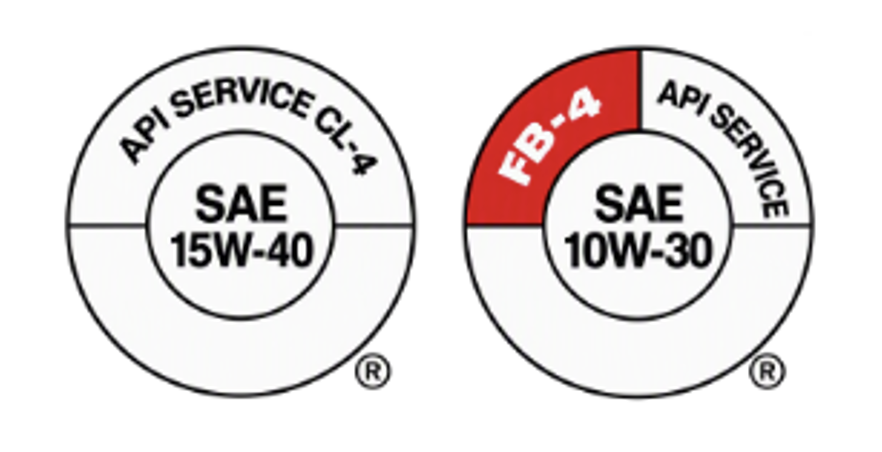
- Check API licensing information. Look for the API Service Symbol (commonly known as the API Donut) on licensed products. This marking identifies the applicable API service category and SAE viscosity grade.
- Coordinate with your lubricant supplier. Work with Bel-Ray or your authorized distributor to evaluate appropriate products and develop a transition plan based on your equipment requirements.
A planned approach can help maintenance teams introduce new lubricant technology while maintaining consistency across their fleet lubrication programs.
What Happens On January 1, 2027?
January 1 marks an important milestone in the evolution of heavy-duty diesel engine oil technology, and Bel-Ray is preparing for the transition.
Beginning in early 2027, Bel-Ray plans to introduce new PC-12 engine oil offerings. Bel-Ray will provide customers with an opportunity to transition from today’s PC-11 technology to the next generation of heavy-duty diesel engine lubricants.
For many operators, the transition may be relatively straightforward. The new API CL-4 category is designed to provide backward compatibility with CK-4 applications, allowing eligible equipment to benefit from the latest lubricant technology as new products become available.
PC-12 advances the performance requirements established under PC-11 with improvements focused on oxidation control, wear protection, aftertreatment system compatibility, and opportunities for greater fuel efficiency.
For fleets operating compatible equipment, transitioning to the new technology may provide an opportunity to take advantage of these advancements while supporting long-term equipment performance.
Get Ready For PC-12 With Bel-Ray
The arrival of PC-12 represents an important opportunity to review your fleet’s lubrication requirements and prepare for the next generation of heavy-duty diesel engine technology.
Bel-Ray is committed to helping customers navigate evolving lubrication requirements with high-performance products and technical expertise.
Contact Bel-Ray or your authorized Bel-Ray distributor to learn more about the upcoming PC-12 transition and how to prepare your lubrication program for 2027.
