Where Reliability Begins: The Critical Role Of Fuels And Lubricants In Modern Mining Equipment

The Best Only Gets Better: New Bel-Ray® API SP Formulations
July 10, 2026
Elevating Equipment Reliability Through Custom-Fit Lubrication Programs
July 20, 2026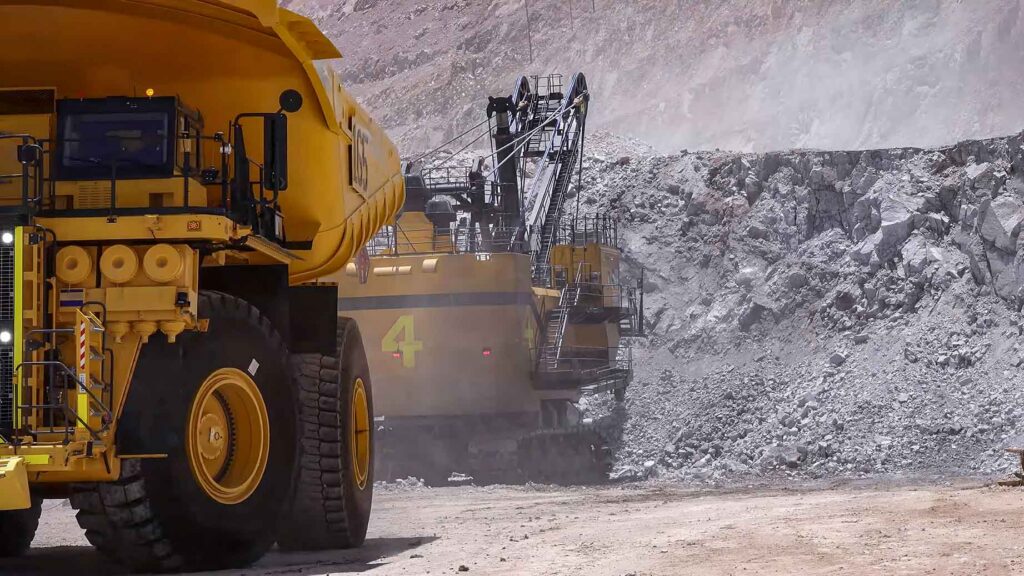
Fuel and lubricant management both play a critical role in the reliability, safety, and cost control of modern mining operations. From large haul trucks and hydraulic shovels to crushers, conveyors, and stationary processing equipment, mining assets operate under extreme loads, exposure to contamination, and variation in temperatures. In these environments, the performance of fuels and lubricants directly influences equipment life and maintenance intervals, as well as overall operational efficiency.
Mining equipment typically operates in high-dust, high-shock, and often remote environments where downtime is especially costly. Under these conditions, fuels and lubricants don’t just serve their primary roles of energy delivery and friction reduction. They also act as protective barriers against wear, corrosion, and contamination. Effective selection and management therefore requires a technical understanding of operating conditions, equipment design, and lubricant chemistry.
Fuel Quality And Its Impact On Mining Equipment
Diesel fuel remains the dominant energy source for mobile mining equipment. Haul trucks, loaders, dozers, drills, and support vehicles rely on large compression-ignition engines that operate for long duty cycles at high loads. Fuel quality affects combustion efficiency, emissions, engine cleanliness, and component life.
Key fuel properties include cetane number, sulfur content, lubricity, stability, and cleanliness. Higher cetane values support more complete combustion and smoother engine operation, which can reduce fuel consumption and minimize deposit formation. Low sulfur fuels (while environmentally beneficial) often require lubricity additives to compensate for the natural lubricating compounds removed during refining. Inadequate lubricity can accelerate wear in fuel pumps and injectors, particularly in high-pressure common-rail systems.
Fuel cleanliness is especially critical in mining. Dust and water intrusion during storage, transport, or refueling can introduce abrasive particles and promote microbial growth. Contaminated fuel may cause injector fouling, corrosion, and filter plugging. As injection pressures continue to rise in modern engines, tolerances become tighter. This increases sensitivity to particulate contamination. Filtration strategies, tank design, and proper handling procedures are therefore as important as the base fuel specification.
Fuel stability is another concern in remote mining operations where storage times can be extended. Oxidation and thermal degradation may lead to the formation of gums and sediments. These byproducts can block filters and impair spray patterns in injectors. Stabilizers and periodic fuel testing can help maintain quality over long storage periods.
Engine Lubricants Under Severe Duty Cycles
Mining engines operate under high loads for extended periods, often at elevated ambient temperatures or in high-altitude conditions. These factors place heavy demands on engine lubricants that must control wear, neutralize acids, suspend contaminants, and manage heat.
Heavy-duty diesel engine oils are formulated with detergent, dispersant, antiwear, and antioxidant additives. Detergents help neutralize acidic combustion by-products, particularly important when engines operate on varying fuel qualities. Dispersants keep soot and oxidation products in suspension, preventing sludge formation and deposit buildup on pistons and rings.
Soot loading is a major consideration in mining engines. Prolonged idling, variable loads, and exhaust aftertreatment systems can increase soot levels in the oil. Excessive soot thickens the lubricant, impairs flow, and accelerates abrasive wear. Proper oil formulation (along with condition monitoring through used oil analysis) supports optimized drain intervals while protecting engine components.
Thermal stress is also significant. High load factors generate elevated oil temperatures, which accelerate oxidation. Oxidized oil forms acids and varnish that can restrict oil passages and impair heat transfer. Oxidation-resistant base oils and robust antioxidant systems are essential for maintaining viscosity control and deposit resistance over long service intervals.
Hydraulic Fluids In Mobile And Stationary Systems
Hydraulic systems power many critical mining functions, including steering, braking, lifting, and actuation of implements. Mobile equipment and stationary plant components depend on hydraulic fluids for energy transmission and component protection.
Mining hydraulic systems often operate at high pressures and experience frequent shock loading. Fluids must provide stable viscosity across wide temperature ranges to ensure predictable response and protection against metal-to-metal contact. Antiwear additives form protective films on surfaces (such as pumps, valves, and cylinders), reducing scuffing and fatigue.
Contamination control is central to hydraulic reliability. Fine dust and moisture are constant threats in open-pit and underground environments. Particles can cause abrasive wear while water promotes corrosion, reduces lubricity, and accelerates additive depletion. High-performance filtration, sealed reservoirs, and regular fluid condition monitoring are necessary to maintain cleanliness targets.
Oxidation stability is another key requirement. Elevated temperatures and air entrainment can lead to fluid degradation, producing acids and sludge that impair valve performance and increase wear. Fluids with strong oxidation resistance and good air-release characteristics help maintain system efficiency and extend fluid life.
Gear Lubricants For Extreme Loads
Mining equipment relies heavily on gear systems from open gears on grinding mills to enclosed gearboxes in conveyors, crushers, and haul truck differentials. These components transmit high torque under shock loading and often at low speeds, creating conditions conducive to boundary lubrication and surface fatigue.
Extreme-pressure additives are essential in gear lubricants for mining. These additives react with metal surfaces under high load and temperature to form protective films that prevent welding and scuffing. Proper viscosity selection ensures adequate film thickness to separate surfaces while still allowing efficient heat dissipation.
In open-gear applications (such as kilns and mills), lubricants must also resist fling-off, adhere to surfaces, and provide protection against contamination. Dust and process materials can mix with lubricant films, increasing abrasive wear. Lubricants with strong tackiness and solid film additives are often used to maintain protective coverage under these conditions.
Micropitting and macropitting fatigue are long-term concerns in heavily loaded gear systems. Proper lubricant formulation (along with alignment and load management) helps mitigate surface fatigue and extend gear life. Regular inspection and oil analysis for wear metals provide early warning of developing issues.
Grease Performance In Contaminated Environments
Grease is widely used in mining for bearings, pins, bushings, and open mechanical components. These applications frequently encounter shock loads, oscillating motion, and severe contamination from dust and water.
Thickener type, base oil viscosity, and additive package determine grease performance. High-viscosity base oils support load-carrying capacity while extreme-pressure and antiwear additives protect against metal-to-metal contact. Solid additives may be used to enhance performance under boundary conditions.
Water resistance is critical, particularly in wet processing areas or underground operations with high humidity. Water can wash out grease, reduce consistency, and promote corrosion. Greases formulated with water-resistant thickeners and corrosion inhibitors help maintain protective films and prevent rust.
Contamination ingress is a persistent challenge. Dust can mix with grease to form abrasive compounds that accelerate wear. Proper sealing, relubrication practices, and purge strategies are essential to remove contaminated grease and replenish clean lubricant. Automated lubrication systems are increasingly used to deliver consistent quantities at optimal intervals, reducing both under-lubrication and over-lubrication.
Lubricant Condition Monitoring And Reliability
Given the high cost of mining equipment and the logistical challenges of maintenance, condition-based monitoring of fuels and lubricants is a cornerstone of reliability programs. Used-oil analysis provides insight into lubricant health, contamination levels, and machine wear.
Parameters (such as viscosity, acid number, base number, oxidation, nitration, and soot content) reveal the condition of engine oils. Wear-metal analysis helps identify abnormal component wear before catastrophic failure occurs. Similar testing for hydraulic fluids and gear oils tracks contamination, additive depletion, and degradation.
Fuel testing can identify water content, particulate contamination, and microbial activity. Early detection allows corrective actions like filtration, water removal, or biocide treatment. These practices reduce the risk of unscheduled downtime and extend component life.
Data from condition monitoring supports optimized drain intervals and maintenance planning. Rather than relying solely on fixed schedules, operators can base service decisions on actual fluid condition and equipment health. This approach reduces waste, lowers operating costs, and enhances reliability.
Environmental And Operational Considerations
Mining operations increasingly face environmental and regulatory pressures related to emissions, spills, and waste management. Fuel efficiency, lubricant longevity, and leak prevention contribute to reduced environmental impact.
Longer lubricant life reduces the volume of used oil requiring disposal. Improved sealing and leak control prevent soil and water contamination. In some applications, biodegradable hydraulic fluids or greases may be considered where environmental sensitivity is high. However, these must still meet performance requirements.
Operational factors (such as climate, altitude, and duty cycle) influence fluid selection. Cold environments demand low-temperature flow properties to ensure pumpability and rapid lubrication at startup. High-temperature regions require fluids with strong oxidation resistance and viscosity stability. Equipment utilization patterns (including idling and load variability) further affect fuel and lubricant stress.
Conclusion
Fuels and lubricants in the mining industry function as integral components of equipment systems rather than simple consumables. Their properties and condition influence combustion quality, wear rates, energy efficiency, and maintenance intervals. The severe operating conditions of mining environments demand products with strong load-carrying capacity, contamination tolerance, and resistance to thermal and oxidative degradation.
A systematic approach that combines proper product selection, contamination control, and condition monitoring supports improved reliability and cost management. As mining equipment continues to evolve with higher pressures, tighter tolerances, and more stringent emissions requirements, the technical demands on fuels and lubricants will remain a central consideration in operational performance.
Contact our team to learn more.
