Water In Lubricating Oil: Enhancing Reliability

Stop Paying The Price: Optimizing Lubrication To Slash Unplanned Downtime In Mining
March 9, 2026
Optimizing Gear Component Longevity in High-Torque Oil and Gas Applications
April 13, 2026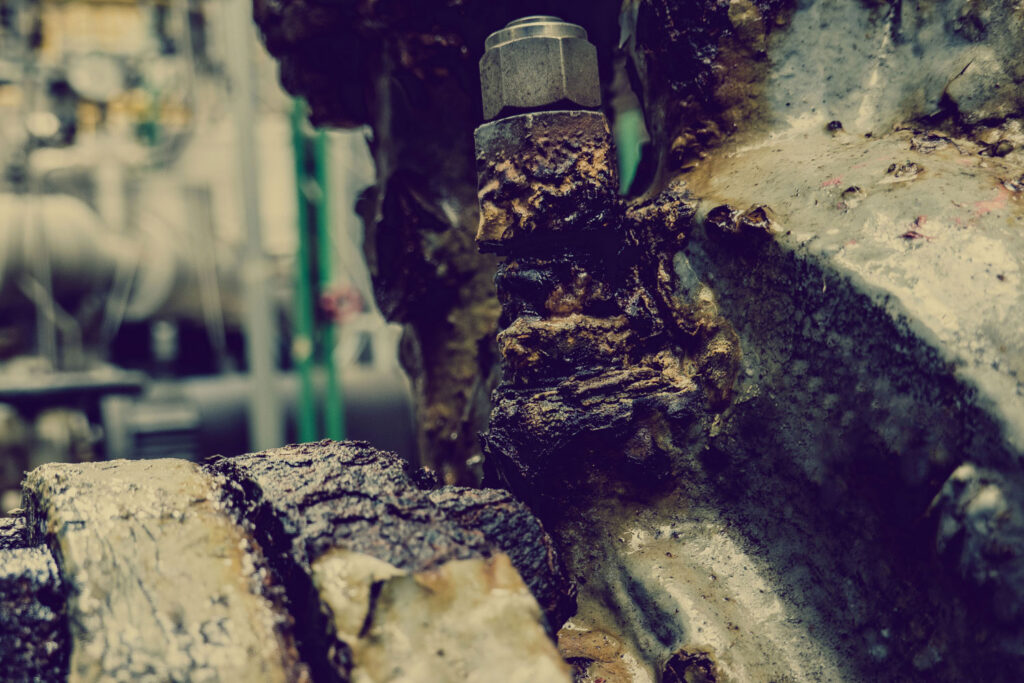
Many reports have documented the adverse effects of particulate contamination on oil-lubricated components and their service life. It is well known that an improvement in particle contamination by one ISO Cleanliness Code can result in a 10 to 30 percent increase in the life of contamination-sensitive components such as hydraulic valves, pumps, and journal and rolling element bearings.
Manufacturing facilities spend millions of dollars each year on improved filtration technology in an attempt to reduce particle contamination. Oil cleanliness is critical, but in some industries and environments, water is far more of a problem contaminant than solid particles, and is often overlooked as the primary cause of component failure.
Water in Industrial Oil – Causes, Consequences, and Control
Water contamination is one of the most common and most destructive forms of oil degradation in industrial systems. Whether you’re dealing with hydraulic fluids, turbine oils, or gear oils, even small amounts of water can undermine performance, accelerate wear, and shorten equipment life. Understanding how water enters oil, how it behaves once inside, and how to remove it is essential for maintaining reliable operations.
Why Water Gets into Industrial Oil
Industrial environments are full of opportunities for moisture to infiltrate oil systems. The most frequent sources include:
- Condensation: Temperature swings cause moisture in the air to condense inside reservoirs, especially in systems that “breathe” through vents or breathers.
- Leaks and Seal Failures: Damaged seals, worn gaskets, or improperly installed components can allow water to enter from washdowns, rain, or process fluids.
- Poor Storage and Handling: Drums stored outdoors, unsealed containers, or contaminated transfer equipment often introduce water before the oil even enters the machine.
- Process-Related Exposure: Some industries—like steel, paper, food and beverage processing, and marine operations—naturally operate in high-moisture environments.
How Water Exists in Oil
Water doesn’t behave the same way in every oil. It can appear in three distinct forms:
Dissolved Water
- Invisible and fully absorbed in the oil
- Like humidity in air
- Usually harmless in small amounts
- Capacity depends on oil type and temperature
Emulsified Water
- Appears as a cloudy or milky mixture
- Formed when water is dispersed into tiny droplets
- Highly damaging because it disrupts lubrication and promotes corrosion
Free Water
- Settles at the bottom of tanks or sumps
- Indicates the oil could be saturated
- Can cause severe rust, microbial growth, and rapid oil degradation
Why Water Contamination Is a Serious Problem
Water doesn’t just “sit” in the oil; it actively attacks both the fluid and the machine. Even trace amounts of water can trigger a cascade of mechanical and chemical issues.
- Reduced Lubrication: Water reduces oil film strength, increasing metal-to-metal contact and accelerating wear.
- Corrosion and Rust: Moisture reacts with metal surfaces, leading to pitting, oxidation, and premature component failure.
- Additive Depletion: Many oil additives—anti-wear, anti-oxidants, detergents—break down or separate in the presence of water.
- Microbial Growth: Water supports bacteria and fungi, which produce sludge, acids, and foul odors.
- Cavitation and Foaming: In hydraulic systems, water vapor bubbles collapse violently, damaging pumps and valves.
- Shortened Oil Life: Oxidation accelerates dramatically when water is present, forcing more frequent oil changes.
Detecting Water in Oil
Early detection is key to avoiding water contamination. Common methods include:
- Visual Inspection:
- Milky appearance = emulsified water
- Clear layer at bottom = free water
- Not reliable for dissolved water
- Crackle Test: A drop of oil on a hot plate “crackles” if water is present.
- Karl Fischer Titration: The most accurate method, measuring water in parts per million (ppm).
- Infrared Spectroscopy (FTIR): Useful for trending water levels over time.
- Online Moisture Sensors: Provide real-time monitoring in critical systems.
How to Remove Water from Industrial Oil
The right method depends on the type and amount of water present:
Gravity Separation
- Effective for free water
- Works best with high-viscosity oils at warm temperatures
Coalescing Filters
- Combine small droplets into larger ones for easier removal
- Ideal for lightly emulsified water
Vacuum Dehydration
- Removes dissolved, emulsified, and free water
- Highly effective for turbine oils, hydraulic oils, and transformer fluids
- It can be cost prohibitive in some applications
Centrifugation
- Uses rotational force to separate water from oil
- Common in marine and power generation applications
- It can be cost prohibitive in some applications
Absorbent Media
- Water-absorbing filters or cartridges
- Best for low-level contamination
Preventing Water Contamination
Prevention is always cheaper than remediation. Key strategies include:
- Use Desiccant Breathers: They prevent moisture from entering reservoirs during thermal breathing.
- Maintain Seals and Gaskets: Regular inspections reduce the risk of leaks.
- Store Oil Properly: Keep drums indoors, sealed, and off the ground.
- Control Washdown Practices: Avoid spraying water directly at seals or vents.
- Monitor Regularly: Routine oil analysis helps catch problems early.
Water contamination in industrial oil is a silent but powerful threat. It degrades lubrication, accelerates wear, and shortens equipment life—often without obvious warning signs. By understanding how water enters oil, how to detect it, and how to remove it, industries can protect their machinery, reduce downtime, and extend the life of both oil and equipment.
The Bel-Ray® Advantage: Superior Water Resistance
Bel-Ray lubricants are engineered specifically for environments where moisture ingress is a constant threat. Our industrial formulations offer:
- Rapid Demulsibility: Advanced chemistry that forces water to separate quickly for easy drainage, preventing harmful emulsions.
- Enhanced Surface Protection: High-strength rust and corrosion inhibitors that remain bonded to metal even in high-moisture conditions.
- Extended Oil Life: Superior oxidative stability that resists the chemical breakdown typically triggered by water contamination.
This combination ensures that critical metal surfaces remain protected and oil life is extended, even under the most demanding high-moisture conditions.
Contact our team to learn more.
